Picture this: you’ve found the perfect candidate, you’ve had great conversations, and then… silence. Candidate ghosting—when an applicant cuts off all communication—has become a growing frustration in hiring. But why do candidates vanish without a word, and what can you do to prevent it?
In this blog post, we’ll unpack the reasons behind ghosting and share practical tips to keep your recruitment process moving forward smoothly, ensuring candidates stay engaged and responsive throughout.
Candidate ghosting refers to when a job applicant suddenly ceases communication with a recruiter during the hiring process, often without any explanation.
This can occur at any stage of the hiring process from application submission to job acceptance.
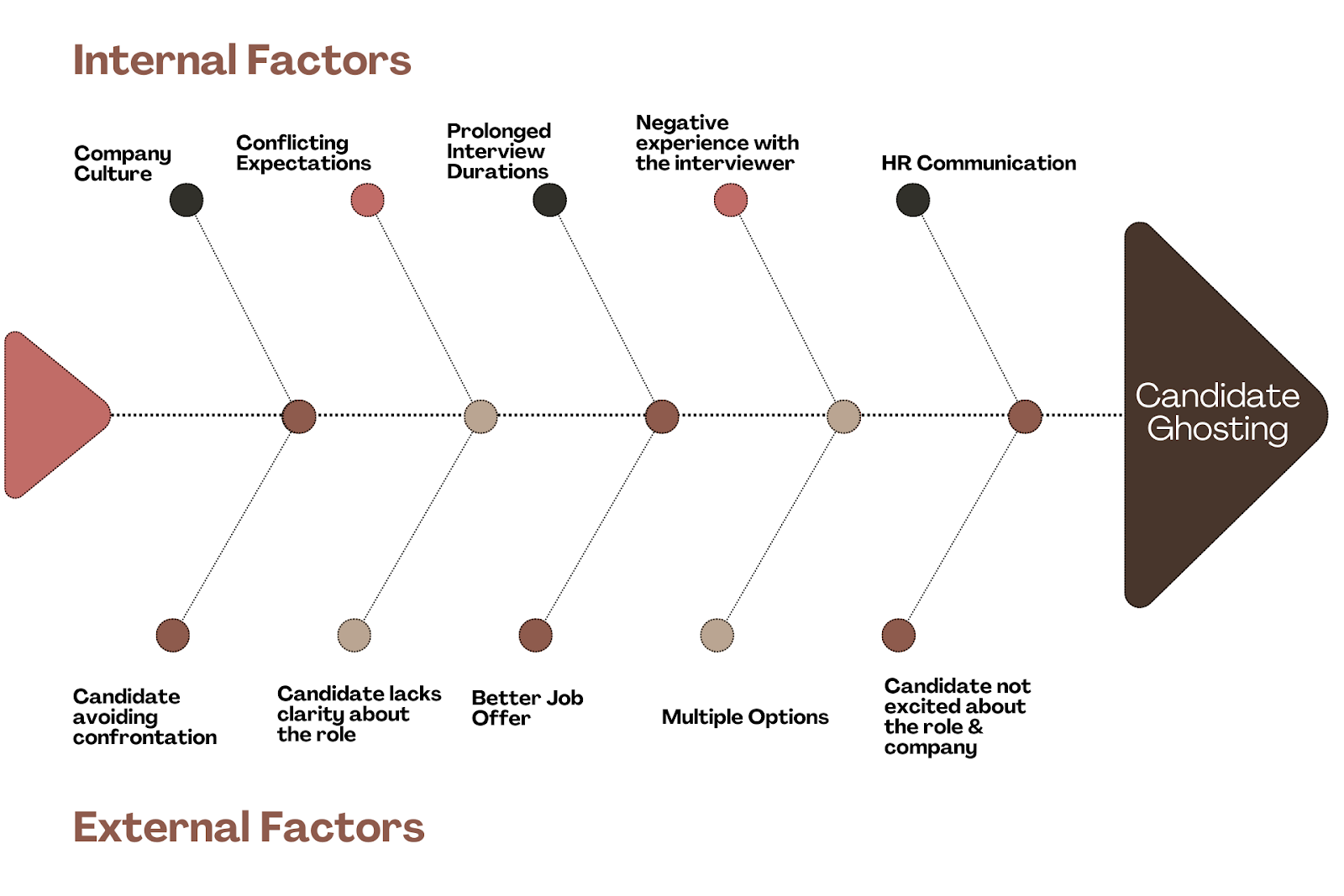
Candidates ghosting recruiters has become more common than ever, and surprisingly covid-19 is not the one to blame, with the job market increasingly becoming more candidate-driven they seem to have more leverage and are more selective about opportunities. Here are few reasons why candidates ghost:
When candidates don’t receive timely feedback after interviews or updates on their application status, they may feel undervalued or uncertain about their standing. This absence of communication can prompt them to withdraw from the process without informing the employer.
For example when the HR reaches out to the candidate, takes the information, calls back after a day, or does not communicate or follow up with the candidate after their initial round of interview.
A candidate’s experience during interviews plays a significant role in their decision to continue with the process. If the interviewer is unprepared, dismissive, or fails to make a positive impression, candidates may decide that the role isn’t worth pursuing, prompting them to ghost.
The longer it takes to schedule or move through the interview process, the more likely a candidate is to lose interest or get distracted by other opportunities. If there are too many communication delays, candidates may feel like the process is disorganised or that they are not a priority. This increases the chances of them ghosting (dropping out of the process without any communication).
When candidates apply for jobs, they often have certain expectations about how much they’ll be paid and what kind of benefits (like health insurance, paid time off, etc.) they’ll receive. If what the company is offering doesn’t match the candidate’s expectations, things can go south quickly. This is especially true as the hiring process moves forward, like during interviews or when they’re given an offer.
Candidates may decide to ghost recruiters if they sense that a company’s culture is not a good fit for them. Given the low level of connection to a recruiter or company in the early stages of the employment process and coupled with a robust job market, some feel justified in just moving on without any sort of notification.
Many job candidates fear the conflict that may arise after rejecting an offer letter and saying “no” to the hiring manager. So, to avoid this confrontation, they simply stop communicating with the recruiter while the hiring process is still ongoing.
A lack of excitement about the job or the company itself is another reason candidates ghost recruiters. If they don’t feel enthusiastic or believe the job isn’t right for them, they may simply disengage without informing the employer.
When candidates apply for several jobs that are similar, it’s easy for them to get confused or lose interest, especially if they aren’t clear about the specifics of the job. If the role is vague about what’s expected, it can leave them wondering if they’ll be doing things they’re not prepared for or interested in. Hence they might choose to ghost and look for other opportunities.
The role in question may not be the candidate’s top choice, yet they might still actively pursue it to keep their employment options open. Once a more desirable opportunity arises, candidates may choose to focus solely on it, disregarding all other options they had been considering.
Finally, candidates who receive a better job offer may drop all contact with other employers. When an applicant receives an offer that aligns more closely with their goals, salary expectations, or values, they may choose to ghost other companies, knowing they’ve already secured a more favorable position.
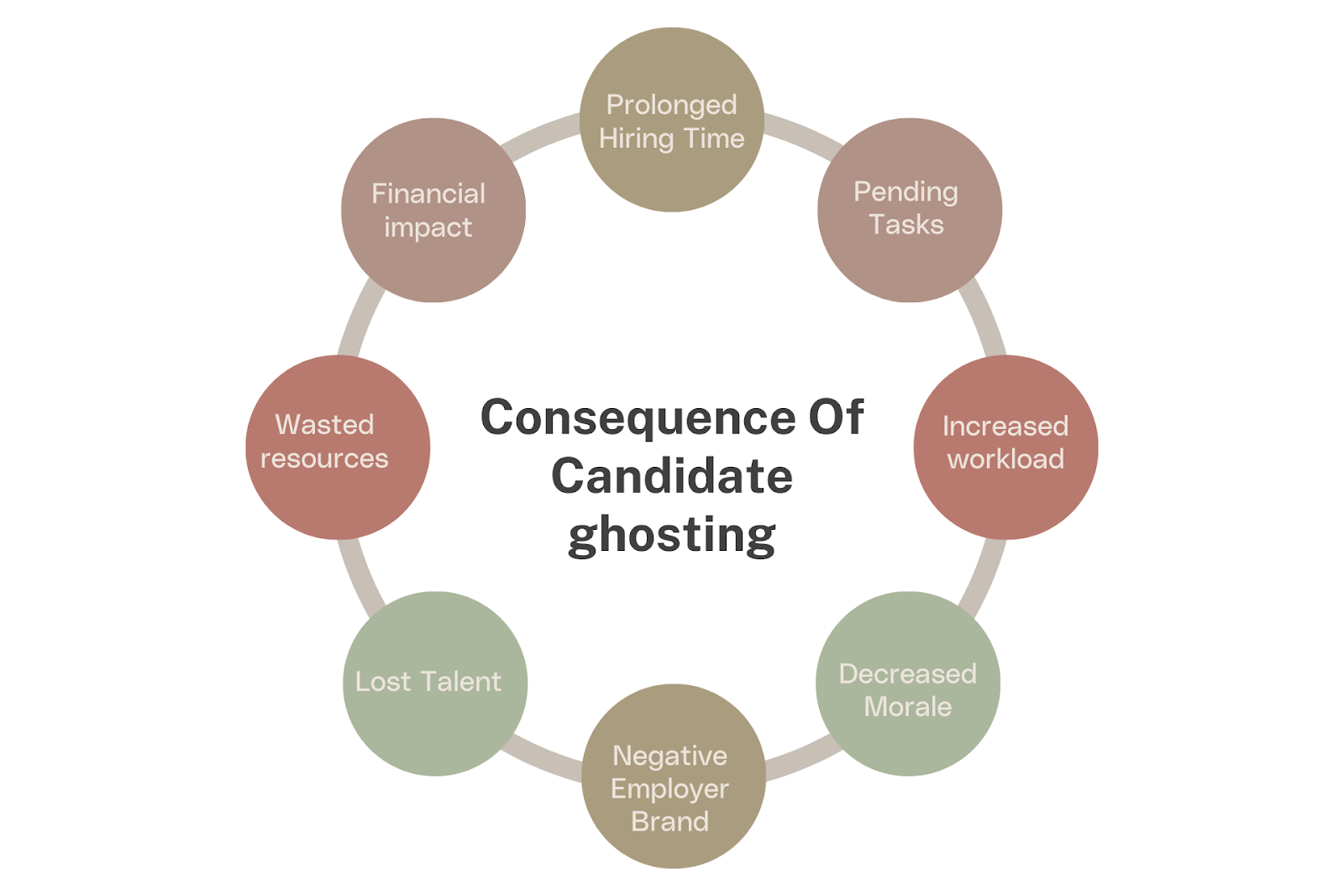
Ghosting significantly extends the hiring process, delaying the filling of critical positions and disrupting team productivity and project timelines. The longer it takes to hire the right candidate, the more the company’s operations may suffer from staffing shortages.
Candidates who ghost recruiters risk damaging their professional reputation. This can make it harder for them to be considered for future job opportunities, as ghosting often leaves a negative impression on employers. A strong professional network and reputation are crucial for long-term career success, and ghosting can undermine that.
When candidates unexpectedly withdraw from the hiring process, hiring teams must restart the recruitment process. This leads to an increased workload for HR professionals, who must source new candidates, screen resumes, and schedule interviews. This added workload can result in delays in other projects and hiring efforts, causing a ripple effect throughout the organization.
Repeated ghosting incidents can result in frustration and decreased morale among hiring managers and HR professionals. Constantly dealing with candidates who drop out without notice can lead to burnout and dissatisfaction within the recruitment team, potentially lowering overall motivation and productivity.
The time and resources spent on recruiting a candidate are wasted when they ghost the process. This includes expenses related to job advertisements, time spent reviewing resumes, conducting interviews, and any other costs associated with attracting and assessing the candidate. These resources could have been better allocated to other hiring efforts or projects.
Frequent incidents of candidate ghosting can negatively impact an organization’s employer brand. Job seekers may be deterred from applying if they hear about poor candidate experiences, which can make it more difficult for the company to attract top talent in the future. A strong employer brand is essential for long-term recruitment success, and ghosting can harm that reputation.
When a candidate who was supposed to be hired immediately ghosts the recruiter, it leaves tasks and responsibilities unresolved. This can cause delays in project timelines and place additional pressure on existing team members to pick up the slack. Unfilled positions can lead to increased stress and workload for other employees.
Prolonged hiring processes and the loss of candidates to ghosting can have significant financial implications. Not only does the company incur additional costs in sourcing new candidates, but delays in hiring can also lead to lost business opportunities and diminished productivity, ultimately affecting the company’s bottom line.
Lengthy and time consuming application process might make candidates disinterested and disengage from the application process, hence keep it short and precise and only include information that is relevant to the open position.
This means rather than asking every document upfront, ask for them at different stages of interview process, for example you can ask for years of experience and resume portfolio at the very initial stage of the hiring process, documents like experience letter, references can be asked during the final stages of the hiring process and other identity verification documents can be asked once the candidate hired. This will take the candidate from stage to stage and will be less overwhelming.
help schedule interviews without all the emails or calls back and forth. Instead of you or your HR team having to manually find a time, candidates can pick a slot that works for them from a set of available times. This makes everything smoother, saves time, and lets candidates schedule interviews on their own whenever it’s convenient for them.
Reduce the time period between the interview round days to keep the candidate engaged. Aim to review resumes and schedule interviews promptly. Avoid letting days pass before reaching out after an initial application or interview. Quick feedback shows respect for the candidate’s time.
Make sure interviewers are available and prepared before scheduled interviews. This prevents last-minute delays or reschedules that could frustrate candidates.
At the start of the interview process, provide candidates with a clear timeline for what to expect, such as when they can expect to hear back after each stage. Keeping them informed prevents uncertainty.
Even if there are delays, communicate with the candidates regularly. Update them on the process or any changes. Staying in touch keeps them engaged and reassures them that they haven’t been forgotten.
A positive candidate experience leaves a lasting impression, even if they don’t get the job. Be transparent, provide clear job expectations, and engage with candidates by answering their questions proactively. Share insights about the role, team, and company culture to excite candidates about joining.
An article by Maxwell Huppert states that a great experience can lead to future relationships with candidates, as 64% of candidates stay connected with recruiters who treat them well.
A diverse and inclusive workplace is key to attracting a wider talent pool. Use inclusive language in job descriptions and ensure your interview process is free from bias. Highlight your company’s commitment to DEI to appeal to candidates who value fairness and equality, especially as Gen Z increasingly enters the workforce.
Start the pre-boarding process once an offer is extended to keep candidates engaged. Introduce them to their future team, invite them to company events, and provide resources about your company. This helps them feel valued and excited about their new role, reducing the chances of them ghosting before they even start.
When a candidate drops off, it’s an opportunity for introspection. Compare drop-off rates for similar roles and adjust job descriptions, pay packages, and benefits if needed. Conduct surveys to understand why candidates cancel or ghost. Investigate negative experiences with recruiters or managers, and use feedback to refine your hiring process.
Building trust and brand recognition helps prevent ghosting. Candidates are more likely to engage with familiar companies, so invest in your brand identity. Showcase your culture through social media and employee testimonials, and be transparent in all communications. Fostering trust helps develop stronger relationships with candidates, making them more likely to respond.
Even if a candidate isn’t selected, offering closure shows professionalism and respect. Send a personalized thank-you email, provide feedback on their interview, and encourage them to apply for future roles. This leaves a positive impression and keeps the door open for future opportunities, maintaining a strong talent pipeline.
While it’s tempting to write them off, here’s how to handle this situation professionally and effectively to maintain a positive candidate experience.
If your initial email didn’t get a response, don’t give up just yet. It’s possible that your email got lost in their inbox or ended up in the spam folder. Try reaching out from a different email address or communication platform. If you’ve been using a company email (like hr@company.com), you could try sending a follow-up from your personal company email or even try messaging them on LinkedIn. Sometimes, a gentle nudge from a different channel can catch their attention.
Before jumping to conclusions, take a moment to consider that life happens. People get busy, have personal matters to attend to, or simply need more time to think about the job offer. Give the candidate some space—typically, a few days (3-5 business days) to respond before following up again. Bombarding them with multiple messages can come across as pushy and may make them disengage completely. Patience is important, and sometimes a little waiting can be all it takes to get them back in touch.
Keeping track of your communication with candidates is essential. Document each attempt to reach out—whether it’s through email, phone, or LinkedIn—and note when you reached out and whether you received a response. Not only does this help you stay organized, but it can also give you insights into whether ghosting is a one-time event or part of a larger trend. Plus, it helps ensure you’re following up appropriately and maintaining compliance with your recruitment processes.
Ghosting can sometimes be a sign that something in your hiring process isn’t quite right. Take a step back and evaluate whether there are any areas where you might be losing candidates. Are you providing clear and timely feedback? Is your communication engaging, or are you inadvertently sending mixed signals? Do you have a long, cumbersome application process? Sometimes, reviewing your approach and streamlining it can make a huge difference in candidate engagement.
In some cases, candidates ghost because they have reservations or uncertainties about the offer. Whether it’s salary expectations, job responsibilities, or the company culture, there could be a number of reasons they’ve become hesitant. To win them back, consider offering additional incentives to make the opportunity more appealing. A sign-on bonus, flexible work options, or highlighting other perks might be enough to reignite their interest.
Candidate ghosting is a growing challenge in recruitment, driven by factors such as poor communication, mismatched expectations, and unclear roles. It can lead to delays, wasted resources, and damage to a company’s reputation. However, by taking proactive steps—such as optimizing the application process, improving interview communication, prioritizing candidate experience, and offering clear feedback—you can reduce the risk of ghosting.
Building trust, engaging candidates early, and maintaining a transparent hiring process are key to keeping them invested. Ultimately, treating candidates with respect throughout the hiring journey will help you not only avoid ghosting but also enhance your recruitment strategy for the long term.
.png)



.svg)

.svg)


%201.svg)
.svg)